
Mohs micrographic surgery
The most precise treatment for skin cancer, by a fellowship-trained Mohs surgeon
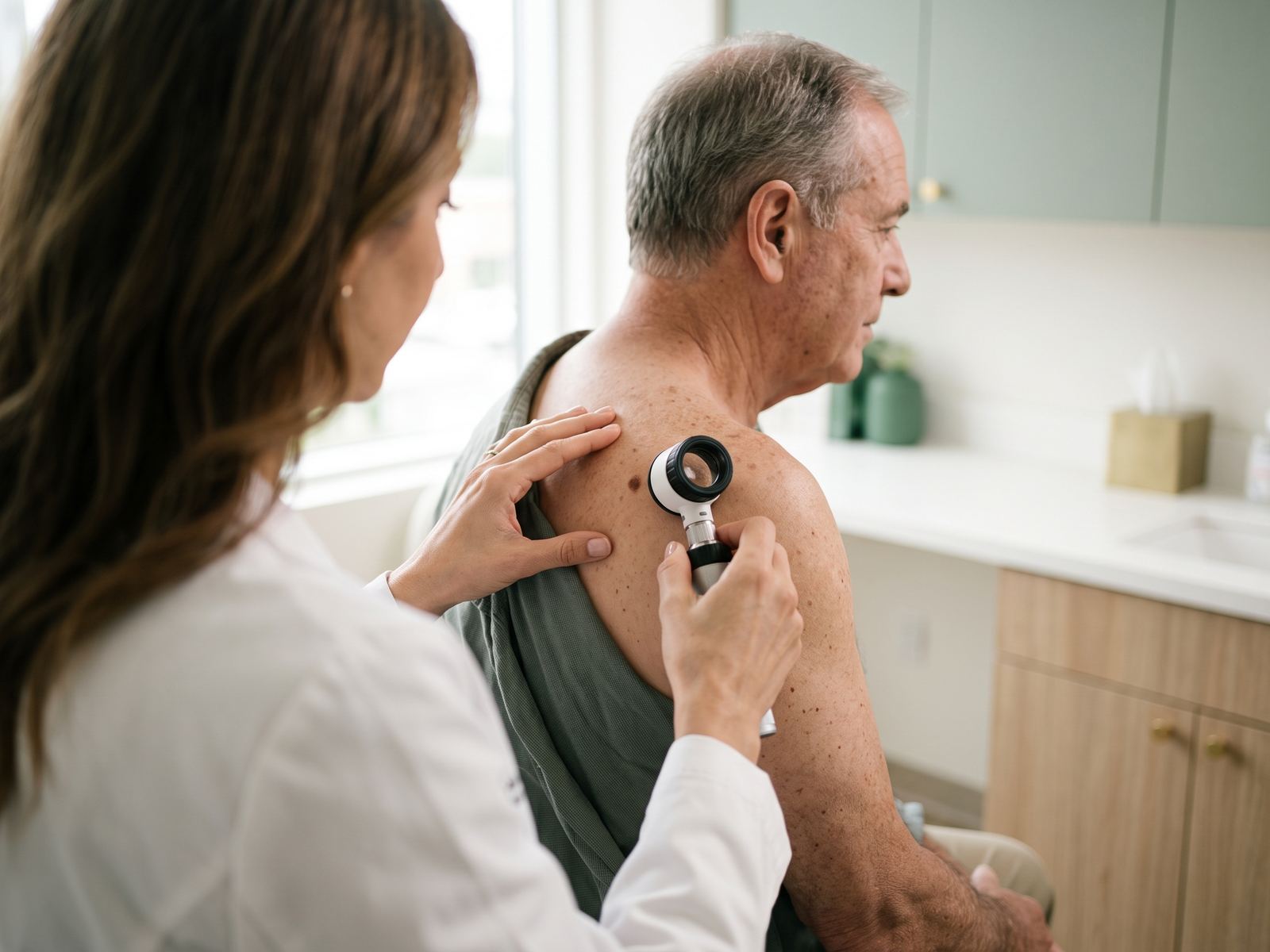
Mohs surgery removes a skin cancer layer by layer, examining 100 percent of the margin under the microscope the same day, so the cancer is completely removed with the smallest possible wound. Dr. Nawas completed her Mohs fellowship at MD Anderson and is board-certified in micrographic dermatologic surgery.
What it treats
Is this for you?
- Basal cell carcinoma
- Squamous cell carcinoma
- Some early melanomas, with special stains
- Cancers on the nose, eyelids, lips, ears, scalp and hands
- Cancers that have come back after treatment
- Large or aggressive tumors
- Skin cancers in patients with weakened immune systems
How it works
What is actually happening.
A standard excision removes the tumor with a margin and sends the whole piece to a lab, where thin slices sample well under one percent of the true edge, which is why some cancers return. Mohs is different. Dr. Nawas removes the visible tumor with a thin rim, maps and color-codes it, processes it into frozen sections that show the entire edge, and reads the slides herself. If any cancer remains, she returns only to that spot. Most tumors are clear in one to three stages.
Once the margin is clear, she repairs the wound the same day with a side-to-side closure, a flap or a graft, planned for how it will look in a year. One surgeon, one day, one room.
Your visit
What the appointment is like.
Stage one
The area is numbed and the visible tumor removed with a thin margin, 10 to 15 minutes. A pressure dressing goes on.
Wait
Tissue is processed and read, usually 45 to 90 minutes. Read, use your phone, have a snack.
Further stages
If cancer remains at any edge, that exact spot is treated and the wait repeats.
Repair
Once clear, the wound is closed, 30 to 90 minutes. You leave with a dressing, written instructions and a suture-removal visit in 5 to 14 days.
Before and after your appointment
Simple preparation, simple recovery.
Before
- Eat a normal breakfast and take your usual medicines, including blood thinners unless told otherwise.
- Tell Dr. Nawas about a pacemaker, artificial joint or valve, bleeding disorder, diabetes or keloids.
- Bring reading material, a charger and snacks, and arrange a driver for surgery near the eye.
Afterward
- Keep the pressure dressing dry for 24 to 48 hours; rest with the area elevated.
- Clean daily, petroleum jelly and a fresh bandage; no lifting over 10 pounds until sutures are out.
- The scar fades over 6 to 12 months and can be refined with Vbeam or Fraxel.
- Once you have had one skin cancer, a full skin check every 6 to 12 months.
Pricing
Published in advance, like everything else here.
| Service | Price |
|---|---|
| ConsultationExamination, biopsy review and surgical planning | $250 |
| Mohs surgeryQuoted after biopsy review, before the day | Quoted |
Original Medicare is accepted for medical and surgical dermatology, and many Medicare Advantage PPO plans can be billed out of network. We do not bill commercial insurance: you receive an itemized superbill with the diagnosis and procedure codes to submit for out-of-network reimbursement. How insurance, superbills and financing work here.
Good to know
Questions patients ask.
Why Mohs instead of a standard excision?
Mohs checks 100 percent of the margin; a standard excision checks a small sample. On the face that means a higher cure rate and a smaller scar. On the trunk and limbs, excision is often the right choice, and Dr. Nawas will tell you which applies.
Will I be awake?
Yes, under local anesthetic, and comfortable throughout. Many patients are surprised how easy the day is.
What is a superbill?
An itemized receipt with the codes insurers use. Original Medicare is accepted for Mohs; with commercial insurance you submit the superbill for out-of-network reimbursement.
Related procedures
Often planned together.
Next step
Ready when you are.
Skin cancer removed with the highest cure rate, and the tissue examined by the surgeon herself.
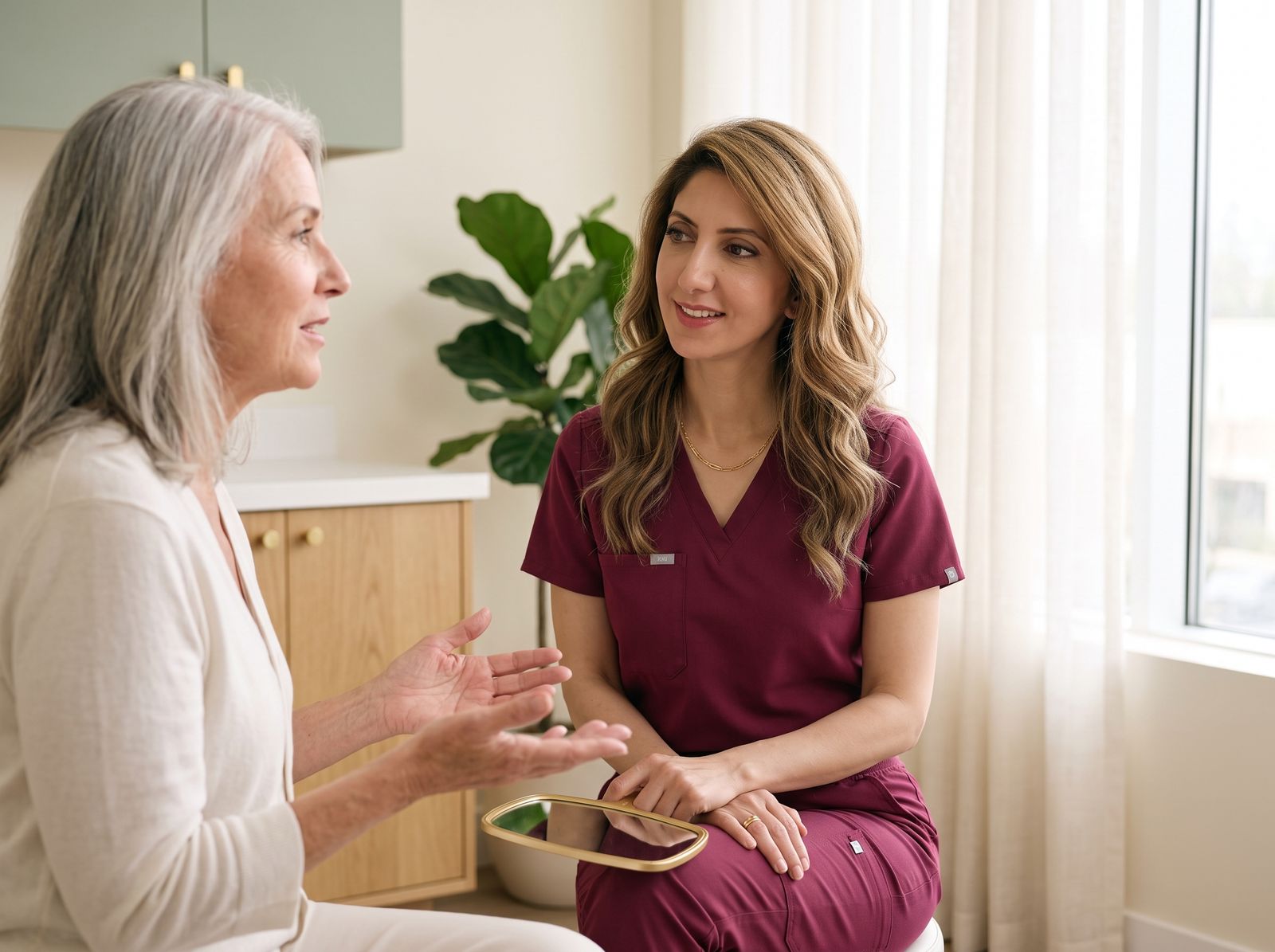
New to ZN Dermatology? Choose a consultation appointment: Dr. Nawas reviews your pathology report and plans the surgery and the repair with you. Mohs surgery is then scheduled as its own day.